Laptop Battery Not Charging: Common Causes and Fixes
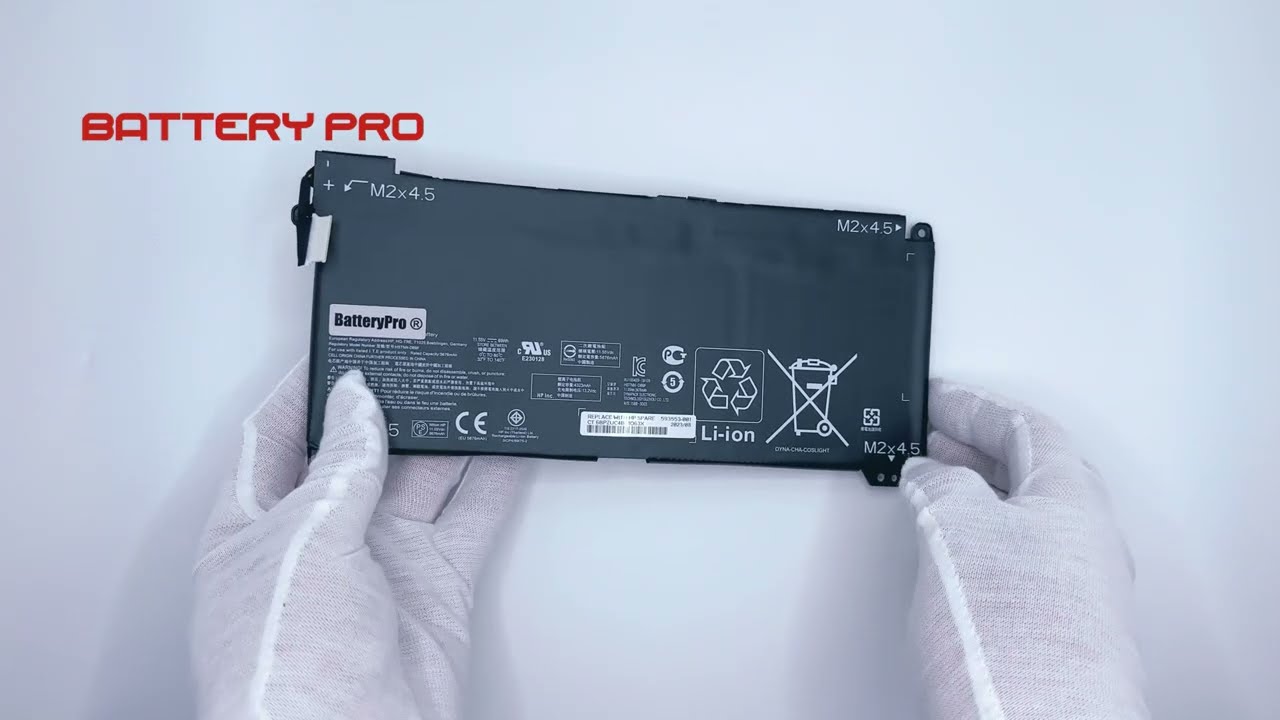
What causes your laptop battery not to charge is usually a minor issue, not necessarily serious. This could involve the charger, the battery, or the system settings. Or, many times, the laptop is still okay, but a component in the charging circuit isn’t operating as it should. Customers who purchase replacement parts from Battery Pro typically describe the issue initially being thought to be a battery problem, but later identified as a smaller issue, such as a loose cable or software setting. When you know the actual cause, you do not have to replace the product, saving time and money.
Loose Power Connection
The initial mistake one makes while charging a laptop computer is the plug-in itself. This suggests that even when you have plugged it in, there may be holes where there shouldn’t be any. The common first step is to examine both ends of the charger, which includes the wall socket.
Faulty Charger Adapter
Chargers will wear out over time. Faults in internal wiring may go unnoticed until they occur. The computer can work without an external power supply, but won’t charge. Using a new charger is the simplest method to diagnose such problems.
Charging Port Blockage
Small dirt and particles can accumulate at the charging port. This decreases the contact between the charger pin and the laptop. Buildup is frequently apparent and will hinder proper connection when examined closely. Gently cleaning it can restore normal charging.
Battery Wear Over Time
Laptop batteries deteriorate gradually with use. They may become unable to hold any charge after several charging cycles, or may hold it for only a few minutes. Such deterioration of laptop batteries is typical. In many cases, battery life shortens before people have any problems charging their laptops. But once the point is reached, charging becomes broken despite a fully functional charger.
Software or Driver Issues
It could be a software problem in some instances. This includes cases where software, such as the battery drivers or software update, prevents the device from charging. It may even happen that the device notifies you it is charging, but nothing happens.
Power Settings Conflicts
The operating system’s power settings could prevent the laptop from charging. Most laptops come with some functions of prolonging the life span of the battery, whereby the device stops charging after reaching a particular capacity. It is likely to confuse the user if he or she does not understand the concept.
BIOS Related Problems
The BIOS handles all basic communication processes within the hardware. If it becomes outdated or is misconfigured, the laptop may be unable to charge its battery effectively. Reset/update BIOS settings can sometimes restore normal charging behavior without changing any hardware.
Heat and Temperature Issues
Heat may make it impossible for the battery to charge up. The laptop cannot charge if overheated to protect internal parts. When overheated during use, charging stops until it cools. This is a safety feature, not a fault.
Damaged Charging Cable
Physical damage to the charging cable can be easily overlooked. Consistent power delivery may be prevented by small bends or internal breaks. The laptop can only charge if the cable is at a specific angle. In many such instances, the cable can be easily replaced.
Wall Socket or Power Strip Problems
In other cases, the problem is not related to the laptop configuration at all. A faulty wall receptacle or an overloaded power strip can cause power to be lost without warning. This can be eliminated instantly by plugging the charger into another outlet, and you’re not about to end up in the deep end of the hardware problem pool.
When Replacement Is Needed
When all the checks are negative, the battery is most likely the problem. At this point, replacement is the only long-term cure. When a user has tried the basic fixes and, in most cases, the laptop is a few years old, they resort to Battery Pro. The new battery will restore the regular charging cycle, so there’s no need to worry about fluctuating electricity supply anymore.
Conclusion
There are many possible causes behind laptop charger failure, but that does not always mean there is something really wrong. Mostly, it happens because of the charger itself, the connection, or the laptop settings. If these are excluded, the battery must be considered the primary cause. When replacements are needed, Battery Pro can serve as the source for batteries compatible with various laptop models. Careful diagnosis prior to replacement to avoid unnecessary cost and selection of the correct replacement part.