Application of Vertical and Horizontal Tracks in a Sectional Garage Door
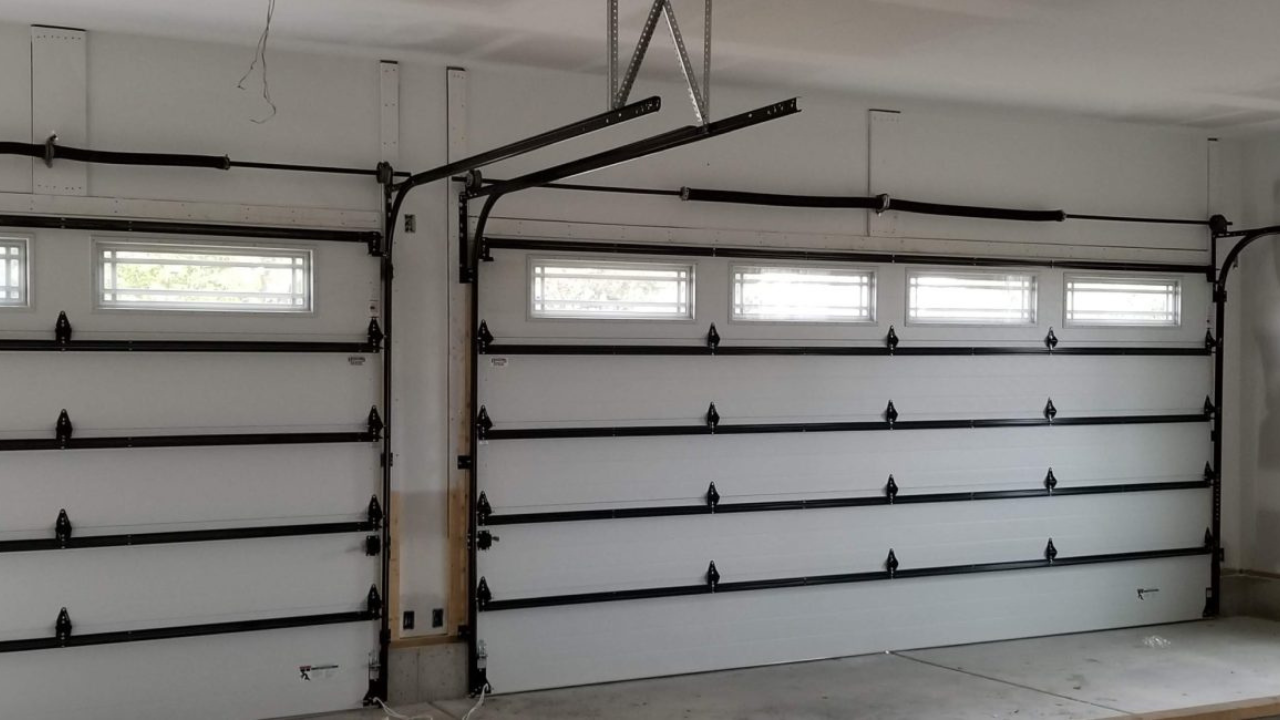
Sectional garage doors are commonly utilized in residential, commercial, and industrial areas due to their durability, ease of operation, and space efficiency. Their performance requires a form of components that intertwine, and out of these, the vertical and horizontal tracks are important. These tracks direct the relocation of the door, assist in sustaining its load, and ensure that every panel of the door shifts in a smooth manner as it opens and closes. The realization of the purpose of both types of tracks assists the property owners and the technicians in having stable and secure sectional garage door hinges.
Learning the Purpose of Vertical Tracks
The initial guiding structures that the panels of the garage door follow are vertical tracks. Placed on each side of the door frame, they keep the rollers in the frame as the door starts rising upwards. All the panels are placed into these vertical channels when the door is closed, and the weight of the panels should be taken by a strong track. The ease of the initial movement of the door is determined by the accuracy of these vertical tracks.
The main purpose of the vertical track is to limit the forward or backward movement of the door, but allow it to move upwards in a regulated course. The movement of the rollers is controlled, so they do not slip out of position. The door can jam, drag, or produce loud sounds when it is used, in case the vertical tracks are not correctly aligned and bent. In extreme circumstances, even the rollers are liable to go off the tracks, creating a security hazard. These tracks should be installed in proper places and firmly sealed on the sides so that they move in the door without causing any instability or insecurity.
Role of Vertical Tracks in Aligning the Panel
Sectional garage doors are made of several hinged panels that must be well-aligned to achieve a smooth operation. Vertical tracks are essential to ensure this alignment is achieved. The rollers installed on the sides of the panels push the track as the panel moves, forcing the door to climb straight and level.
This makes the track distort, impacting the whole door, due to the uneven distribution caused by misalignment of the weight on the rollers and the hinges. This may lead to untimely wear and extra burden on the opener, and inability to open or close the door. Vertical tracks help to maintain a balanced movement and avoid overloading other parts of the components by holding each roller at the right angle.
Learning the Intent of Horizontal Tracks
The first upward movement is done on vertical tracks, but after the door starts curving along the track, horizontal tracks are used since the door is now curving rather than moving. These tracks are placed in parallel with the ceiling and assist the entire weight of the door when the door is open. They should be of strong structural design, which would be stable and in good positions, so that the door may be firmly suspended.
The horizontal tracks operate with torsion or extension springs, which assist in opposing the door weight. These tracks are what the panels would have to rest in the open position. The strength of the horizontal track is more so when working with large doors with heavy-weight loads.
Horizontal Tracks on Door Balance and Performance
Horizontal tracks are used to support the balance in the opening cycle. As the springs raise the door, the rollers move along the curve into the horizontal plane. This is achieved by proper alignment of the panels so that they do not vibrate. Unless the tracks are flat and sufficiently substantial to support the weight of the door, the panels can tip over and place extra burden on the springs, opener, and support hardware.
There has to be an exact spacing between the horizontal tracks because an excessively large or small gap will lead to friction and obstructions of roller movement. Even spacing provides the freedom of the door panels and stability of the door when fully opened.
The Correlation Between Vertical and Horizontal Tracks
The work of a sectional garage door depends on the smooth interdependence between vertical and horizontal tracks. The curved junction between the two defines the ease with which the door will change positions. This cannot be a rough curve, as any irregularity will affect how the panels bend and how the rollers follow the track path.
Conclusion
As an essential part of a sectional garage door, vertical and horizontal tracks are crucial to the functioning of the door. They facilitate movement, hold the weight of the panels, retain their alignment, and help the door to open and close in a safe manner. When these tracks are placed accurately and serviced accurately, they assist in increasing the life of the whole system. In residential or commercial cases, it is the knowledge of the significance of these tracks that enables owners and technicians to keep a safe, reliable, and smoothly operating garage door.